The short answer
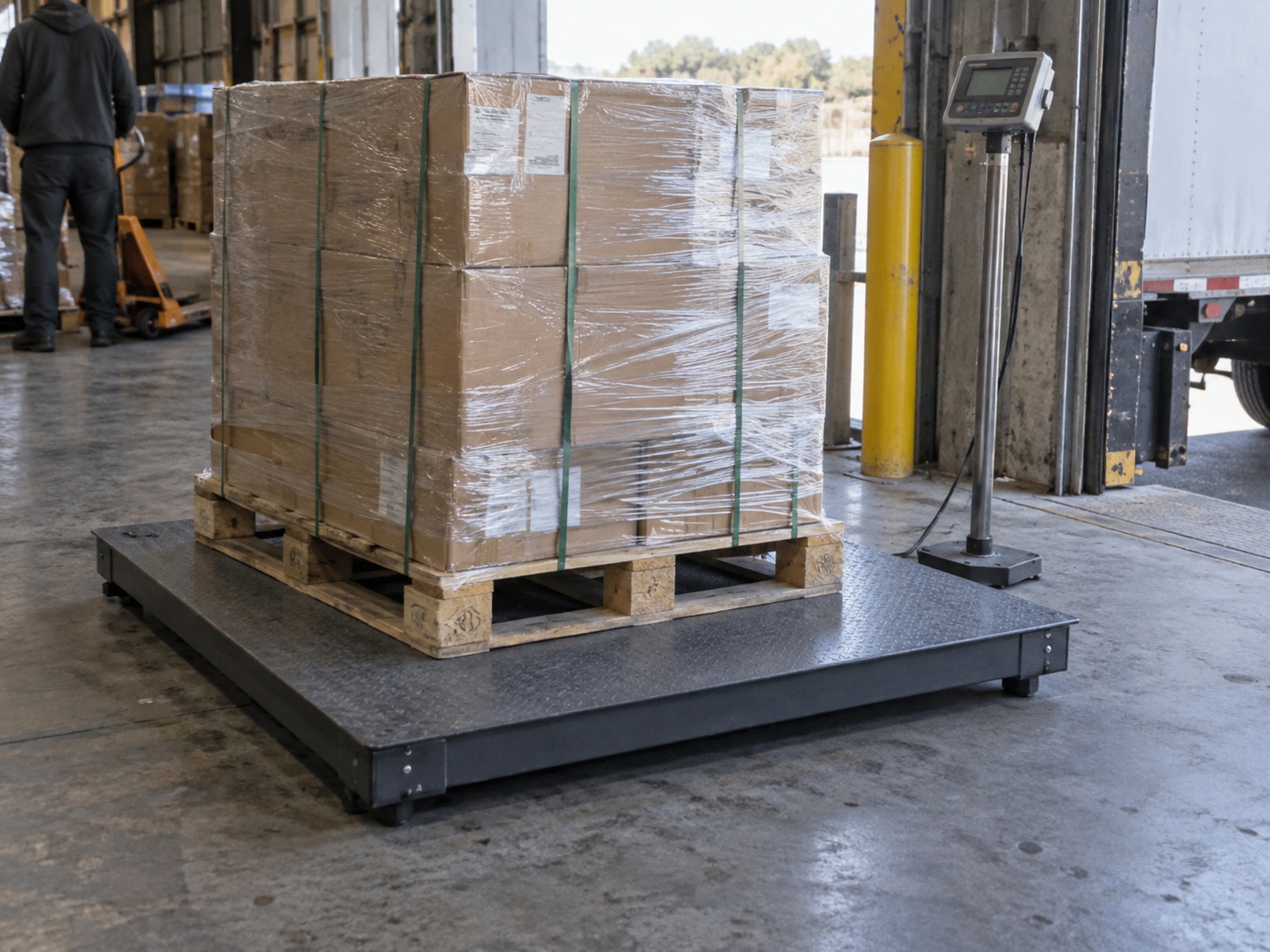
An LTL invoice moves when the carrier reweighs, remeasures or reclassifies the shipment and rebills the difference. Ask for the inspection evidence before you accept or dispute it.
Do these first
Identify the exact line or rating input that changed before disputing the total.
- Compare quote and invoice — look for weight, class, dimensions and accessorial changes.
- Ask for inspection support — request reweigh or dimension records when those changed.
- Compare the BOL — confirm what was actually tendered.
The LTL reweigh, reclass and rebill sequence
What happens, step by step
- Carrier receives the freightThe shipment enters the LTL network.
- Freight is verifiedThe carrier may weigh, dimension or inspect it.
- Rating data changesVerified details may replace the tendered data.
- Shipment is re-ratedThe carrier applies the applicable NMFC, tariff and pricing terms.
- Final invoice is issuedThe billed amount reflects the final rating record.
What to ask for
Useful supporting information can include:
- Certified reweigh record
- Dimensioner results
- Revised class or NMFC basis
- Tariff item applied
- Accessorial detail
- Original and corrected handling-unit count
Estes states that invoices may be changed for certified-scale reweighs, dimensioner scanning results or NMFC standards and directs customers to submit supporting documentation for rating disputes.
What you need
Keep the shipment record together.
- Original quote
- Original BOL
- Packing list
- Weight record
- Finished dimensions
- Carrier inspection information
- Final invoice
Do not assume
- Every higher invoice is a reclass.
- The general quote-change page explains an LTL reweigh or tariff rule.
- A billing dispute can be resolved without showing what the shipment actually measured.
See why freight quotes change for general quote changes. This page is specifically about LTL post-pickup rating.
Sources
- Estes Express — Frequently Asked Questions
- NMFTA — How Shippers Can Prepare For The 2025 NMFC Changes
Holding an LTL invoice that does not match the quote?
Send the quote, BOL, invoice and any inspection detail and we will help identify what changed.
Request a Freight Quote