
The short answer
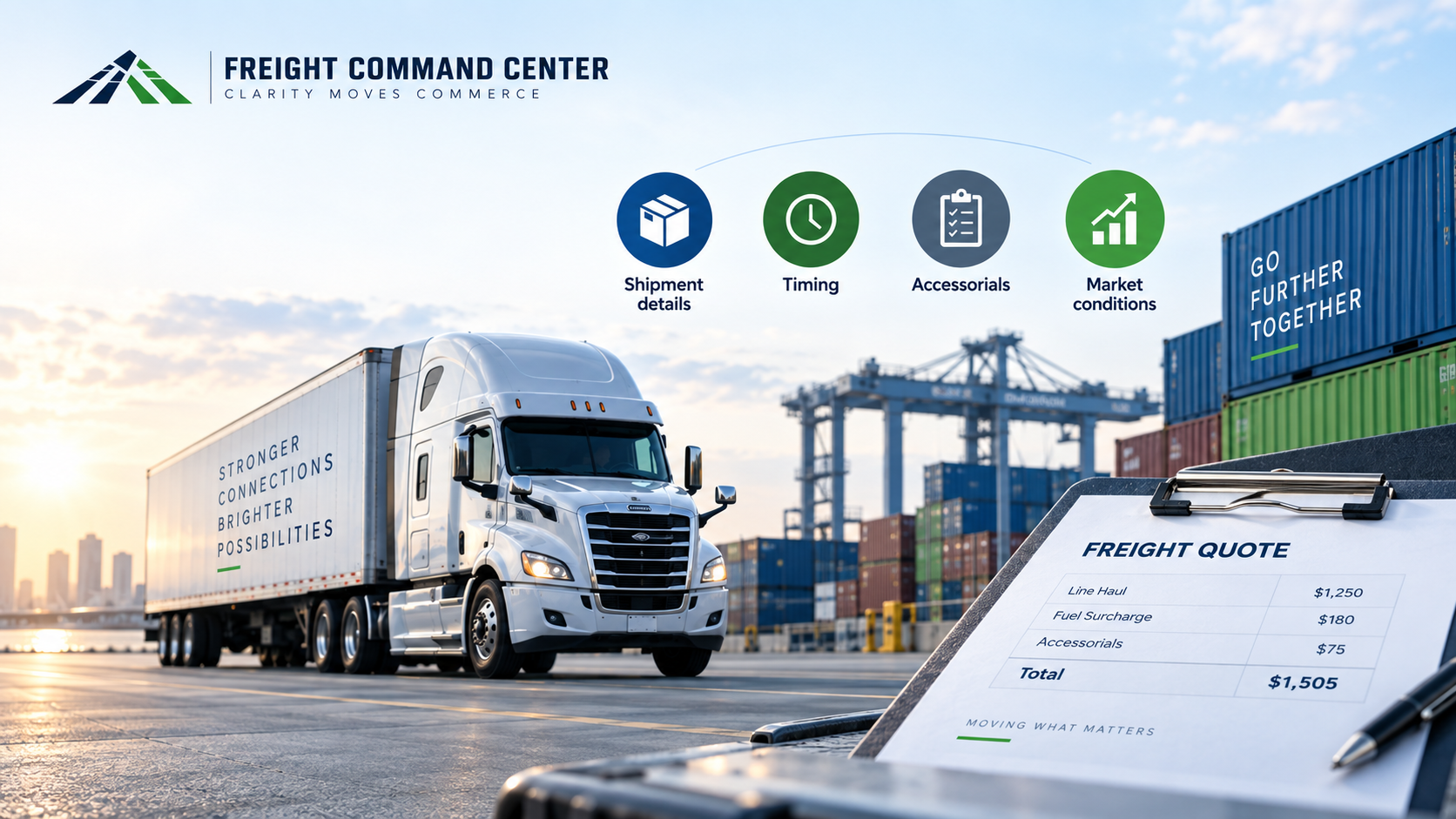
A freight quote is based on two things:
- What the shipment is
- What the market looks like when the capacity is priced
If either one changes, the number can change.
That does not mean every quote change is unavoidable.
Some causes are under your control. Others are not.
The useful part is knowing which is which.
What you control
These are the quote changes you can prevent most often by sending complete information before the truck is booked.
Inaccurate weight
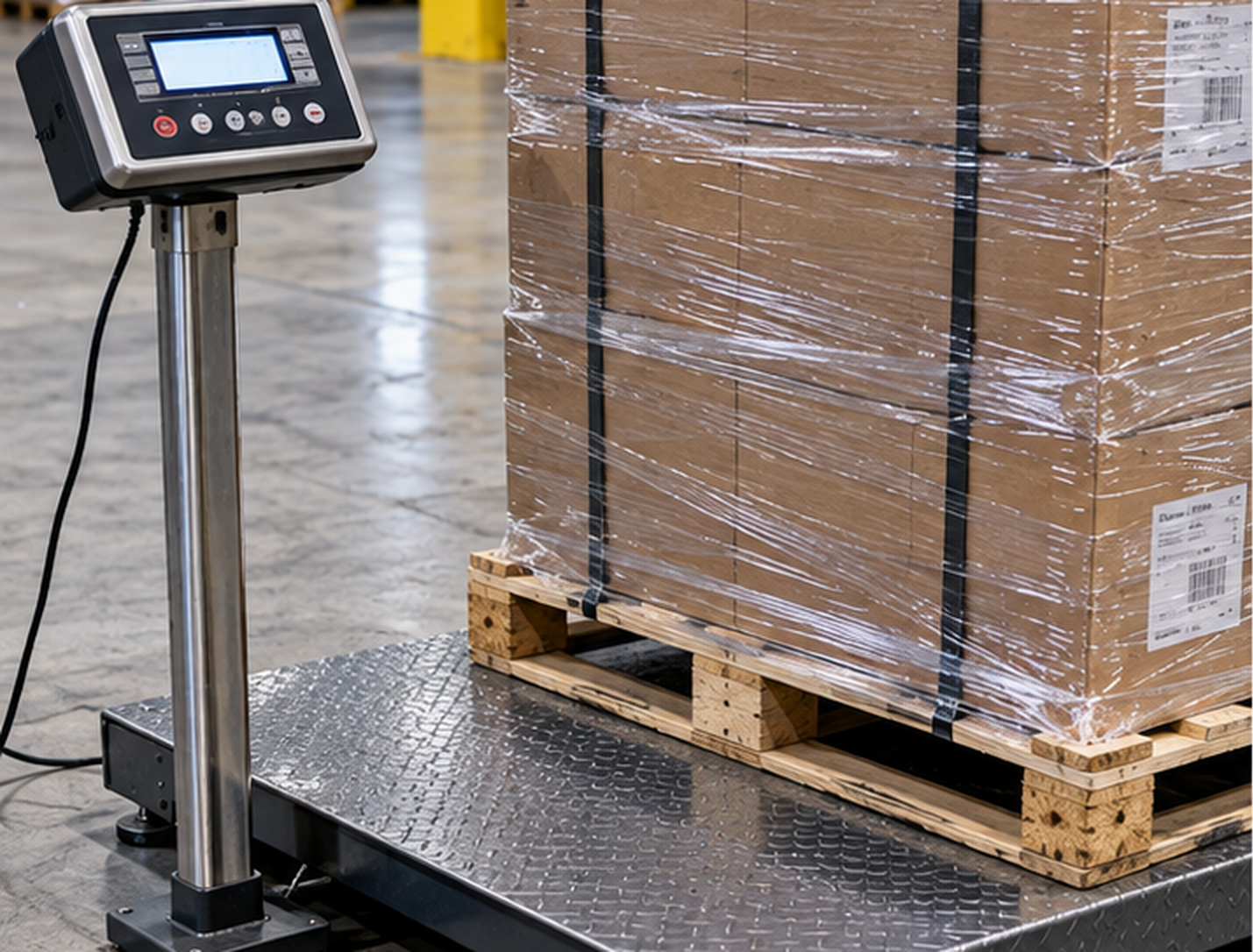
A quote built on estimated weight can move when the actual freight is heavier or materially different from what was provided.
Weight can affect:
- LTL rating
- Equipment planning
- Load placement
- Carrier acceptance
- Whether the original equipment still works
How to avoid it: Use the best available actual shipping weight before requesting the quote. If individual pallets vary widely, provide the pallet weights when you have them.
For LTL, the freight density tool can help you calculate density, but it does not replace correct shipment weight or final classification.
Wrong or estimated dimensions
A pallet described as 48 × 40 inches is not actually 48 × 40 if product, wrap, corner protection or packaging extends beyond it.

A few inches can change:
- Linear feet
- Pallet positions
- LTL rating inputs
- Whether freight can load side by side
- Equipment requirements
How to avoid it: Measure the finished freight exactly as it will ship.
Use the linear feet tool when occupied trailer length matters.
Undisclosed accessorials
A basic linehaul quote assumes a basic pickup and delivery.
If the shipment later needs additional service, the total cost can change.
Examples include:
- Detention
- Layover
- Liftgate service
- Residential service
- Appointment delivery
- Lumper service
- Reconsignment
- TONU
The details are covered in accessorial charges.
How to avoid it: Tell the broker about the facility and service requirements before the truck is booked.
Missing appointment requirements
If the receiver requires an appointment but the quote was built as an open delivery, the carrier may need additional time, coordination or a different operating plan.
That matters most when:
- The receiver has limited hours
- The appointment is difficult to obtain
- The lane is time-sensitive
- A missed appointment creates a next-day delivery
How to avoid it: Confirm pickup and delivery appointment requirements before quoting.
No dock when the quote assumed one
A normal dock-loaded shipment may need different equipment or additional service when the actual pickup or delivery is ground level.
That can affect:
- Liftgate requirements
- Straight-truck versus tractor-trailer selection
- Loading time
- Carrier availability
How to avoid it: State whether both ends have a dock, forklift or ground-level loading requirement.
Use the equipment guide when the correct truck type is uncertain.
Freight is not ready
A truck committed to a shipment that is not actually ready can create delay, detention, layover or a truck-order-not-used situation.
Those are not just billing problems. They can also force the shipment to be rebooked into a different market.
How to avoid it: Treat "ready" as physically staged, packaged, counted and available to load.
Use before the truck arrives as the pre-pickup check.
Late shipment changes
Changing the load after capacity has been sourced can change the carrier's decision.
Examples:
- Adding pallets
- Changing weight
- Moving the pickup date
- Adding a stop
- Changing the destination
- Requiring a different trailer
- Moving from open pickup to appointment delivery
How to avoid it: Send changes as early as possible.
A small change before a truck is booked is much easier to absorb than the same change after a carrier has committed equipment.
What nobody controls
Some rate movement comes from the freight market itself.
You can plan around it. You cannot eliminate it.
Available capacity
Spot truckload pricing responds to the balance between available freight and available trucks.
When fewer trucks are available in a market, the price required to secure capacity can rise.
When capacity is more plentiful, spot pricing can soften.
DAT reported in 2026 that spot rates increased even while shipment volume fell because available truck capacity tightened. That is a good example of why freight demand alone does not explain a spot quote. citeturn507574search6
Fuel
Fuel surcharges are commonly tied to published diesel-price data, but there is no single government-mandated freight surcharge formula.
The U.S. Energy Information Administration publishes weekly on-highway diesel prices and says many shippers and carriers use those prices in privately negotiated fuel-surcharge formulas. EIA does not calculate or regulate the surcharge itself. The diesel-price data is updated weekly, with EIA stating that its gasoline and on-highway diesel update is published every Tuesday. citeturn103514search2turn103514search7
In contract and LTL pricing, fuel is often shown as a separate surcharge rather than buried inside the linehaul rate.
In spot truckload, fuel may be included in the all-in number or shown separately depending on the quote structure.
What matters to you: compare quotes on the same basis. An all-in quote and a linehaul-plus-fuel quote are not directly comparable until fuel is included.
Seasonality
Freight markets tighten and loosen around predictable operating periods such as:
- Holidays
- Produce season
- End-of-month and end-of-quarter shipping
- Weather-sensitive periods
- Roadcheck and other capacity disruptions
Arrive Logistics has documented seasonal tightening, holiday pressure and tender-rejection increases pushing more freight into the spot market. citeturn507574search2turn507574search7
The exact effect depends on the lane, equipment and week.
Weather
Severe weather can remove capacity from a region, slow equipment repositioning or change which carriers are willing to accept the load.
A lane that was easy to cover yesterday may not be easy after a major weather event.
A carrier rejects the tender
A contract or planned carrier can decline freight.
When that happens, the load may need to move into a tighter spot market.
FreightWaves notes that tender rejection levels are closely watched because higher rejections indicate tighter capacity and more freight spilling into spot. citeturn507574search1turn507574search5
A carrier no-shows or falls through
Sometimes a carrier commits and later cannot perform.
If the shipment still has to move, replacement capacity may need to be found immediately.
A same-day recovery is not the same market as a quote sourced several days earlier.
That does not make the higher replacement rate pleasant. It explains why the second number can be different.
Why a quote given today may not hold ten days from now
A spot quote reflects the market close to the time capacity is being sourced.
Spot pricing is more volatile than contract pricing because it responds quickly to current truck availability, lane demand and carrier acceptance.
FreightWaves describes spot rates as more volatile because they are quoted close to the time of booking, when the current balance of capacity is known. Contract rates come from an ongoing commercial agreement and generally move more slowly. citeturn507574search15turn507574search1
That is why a rate checked today should not automatically be treated as a guaranteed price for a shipment moving ten days later.
The closer the shipment gets to pickup, the more the quote reflects the capacity that actually exists for that date.
Ask how long the quote is valid
A spot quote should have a clear validity window. If the pickup date moves outside that window, recheck the rate before treating the old quote as current.
Quote, rate confirmation and invoice
These are three different moments.
Quote
The quote is the expected price based on the information provided and the capacity available when the quote is made.
It depends on the shipment still matching what was quoted.
A quote can change before booking if:
- The freight details change
- The pickup date changes
- The service requirements change
- The market changes
- The original capacity is no longer available
Rate confirmation
The rate confirmation records the agreed shipment terms once the load is booked.
It should show the shipment details and agreed transportation charges or terms used for the move.
For the shipper, this is where you want the operating assumptions to be clear before the truck moves.
If something changes after booking, it should be discussed and documented rather than silently assumed.
Invoice
The invoice is the final billing record after the shipment moves.
It may include charges that were not part of the original linehaul quote if the shipment actually required additional services or incurred documented accessorials.
Most disputes happen when these three moments are treated as though they are the same number.
They are not.
The goal is to keep them as close together as possible by making the shipment information accurate before booking and communicating changes before the truck moves.
What we do when a number has to change
If a number has to change, our standard is simple:
You should know before the truck moves whenever the change is knowable before the truck moves.
We will tell you:
- What changed
- Why it changed
- Whether the shipment information changed
- Whether the market or available capacity changed
- Whether a new service requirement was discovered
- What the updated number is
We do not want the first time you learn about a known pricing change to be when you see the invoice.
There are situations where a charge only becomes known during or after the shipment, such as actual detention, a lumper receipt or another documented service event.
Those should still be explained from the shipment record, not appear as an unexplained surprise.
How to keep your quote from moving
- Send the final pallet or piece count
- Send actual finished dimensions
- Send the best available actual weight
- Give the correct commodity
- Confirm pickup and delivery dates
- Confirm whether appointments are required
- Confirm dock, forklift or liftgate needs
- Identify residential or unusual locations
- Tell the broker about multiple stops
- State temperature or special equipment needs
- Make sure the freight is actually ready
- Report changes as soon as they happen
- Ask how long a spot quote is valid
Give the quote better information
The easiest quote change to prevent is the one caused by incomplete shipment information.
Use freight quote information before requesting the rate.
That gives the quote the best chance of matching the final shipment.
Sources
- U.S. Energy Information Administration, diesel fuel surcharges and weekly diesel pricing
- U.S. Energy Information Administration — Diesel Fuel Surcharges
- U.S. Energy Information Administration — Diesel price FAQ
- DAT Freight & Analytics, 2026 spot-rate and capacity reporting
- FreightWaves, spot-versus-contract pricing and tender rejection behavior
- FreightWaves — What Can We Learn From The Truckload Spot To Contract Rate Spread
- FreightWaves — What Causes The Booms And Busts Of The Trucking Cycle
- Arrive Logistics, 2026 freight market updates
- Arrive Logistics — July 2026 Freight Market Update
- Arrive Logistics — May 2026 Freight Market Update
Want a quote that starts with the right assumptions?
Send the actual freight details, facility requirements and pickup date and we will price the shipment from what is really moving.
Request a Freight Quote