
Power only
How to Move a Trailer With Power Only
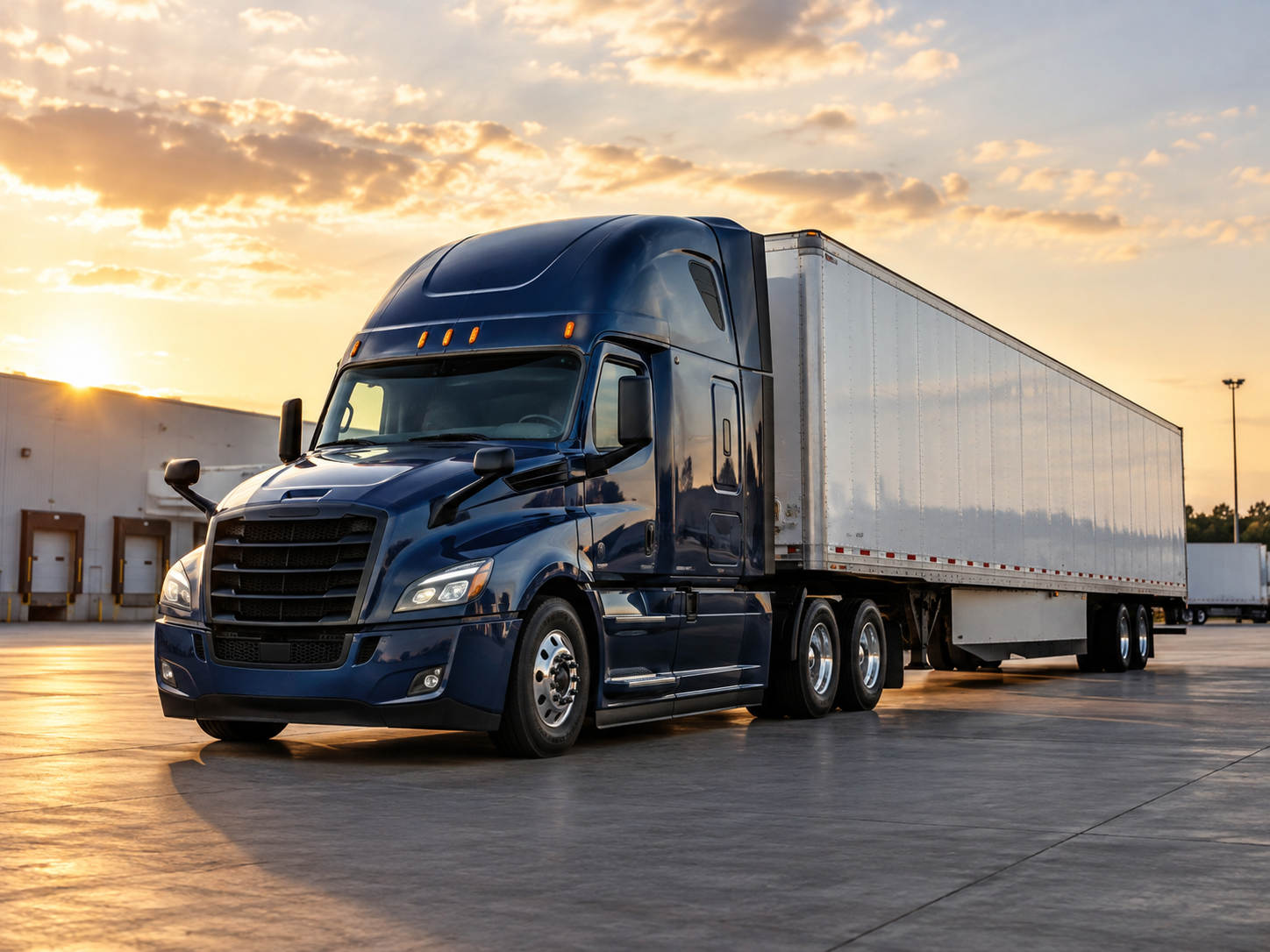
With power only, the carrier supplies the tractor and driver and the trailer is yours. Enter the trailer’s type, condition, coupling and weight below, and the Load Planner sets out what a carrier needs to know before it hooks up.
Trailer details
Freight Command Center Freight load report
Jay Rock Freight Broker · UCW Logistics 520-394-7400 · jrock@ucwlogistics.com FreightCommandCenter.com
Your load
Correct anything in the shipment and rebuild the answer. Nothing else you entered is lost.
Use this load
The measurement behind the answer: the shipment as FCC read it, every check, every option in full and why some were ruled out.
What was checked
Everything the planner could settle from what you entered is marked as checked. Everything it could not is listed as requiring confirmation rather than assumed, and the two are never mixed.
Space used
A possible arrangement, not an instruction. It shows that the freight can be placed inside the published floor dimensions; the driver and carrier decide the actual load order, weight distribution and securement.
Equipment fit details
Every trailer in the library measured against this shipment, and what each one said about the freight physically. These are fit answers, not a second set of recommendations.
Requires confirmation
Where a figure is marked as requiring confirmation, it is because this site does not publish that measurement for that equipment -- most often the rear-door opening, which is a different measurement from the interior width.
Recommended planning fit, based on the information entered and the equipment figures this site publishes. Actual equipment specifications vary. Final loading, weight distribution, securement and legal compliance remain subject to the carrier, the driver and the actual equipment.
Your stops are already in it. Nothing you do in here changes the shipment above.
Request a quote
Request received
Thank you. Your quote request is in.
Your reference is . Keep it for any follow-up.
This is a quote request, not a confirmed booking. We’ll review it and follow up using the contact details you provided.
How a power only move works
Power only moves a trailer that is already loaded, or needs repositioning, without bringing another trailer. The cargo capacity belongs to the trailer, so the questions are about the trailer itself: what it is, whether it is loaded and whether it is ready to be towed.
Before pickup the carrier needs the trailer’s release — permission to take it — and its condition: tires, brakes, lights and coupling. A trailer that cannot tow normally needs repair or specialist review first.
Weight still matters. The tractor has to be rated for the trailer’s gross weight, and axle loading still has to work. Insurance and interchange terms settle who is responsible for the trailer on the road.
What we need to plan it
- The trailer’s type and size
- Empty, or loaded — and what is in it
- Its gross weight
- Roadworthiness: tires, brakes, lights
- The hitch, brakes and connections
- Where it picks up and delivers, and access for a tractor
- Who owns the trailer and who releases it
Equipment to consider
Power only is a service, not a trailer: the carrier brings the tractor, and the trailer is the one you supply.
Power Only
Preloaded trailers, trailer relocation, drop-and-hook operations and customers that own or control their trailers.
The planner compares your shipment against every equipment type in our library that carries this kind of freight. The result it gives you, not this list, is the answer — and actual equipment specifications vary by carrier.
What affects the price
- Distance and the lane
- Loaded or empty
- The trailer’s type and gross weight
- Waiting time and appointments at either end
- Pickup access
- Current market conditions
Common mistakes
- No release arranged for the trailer.
- Not saying whether the trailer is loaded.
- Not knowing the trailer’s condition before the tractor arrives.
- Leaving out the gross weight.
- Assuming any tractor can couple to any trailer.
Common questions
What is power only trucking?
The carrier provides a tractor and driver to move a trailer that someone else supplies. It suits drop trailers, trailer repositioning and moving a loaded trailer you already have.
Who is responsible for the trailer during the move?
That is set by the insurance and interchange terms agreed before pickup, which have to be confirmed with the carrier.
Can a trailer that has been sitting be moved?
Often, if it passes inspection — tires, brakes, lights and coupling. Say if it has a defect; a trailer that cannot tow normally needs repair or specialist review first.
Can a power only move haul a loaded trailer?
Yes. Choose Loaded and describe the cargo in the notes, and include the trailer’s gross weight so the tractor can be matched to it.
Related tools and guides
Ready to price this trailer move?
Use the planner above, then send the shipment to us for an actual freight price. Once you have run a report, this button opens the quote with the shipment already filled in, so nothing is typed twice.