
The short answer
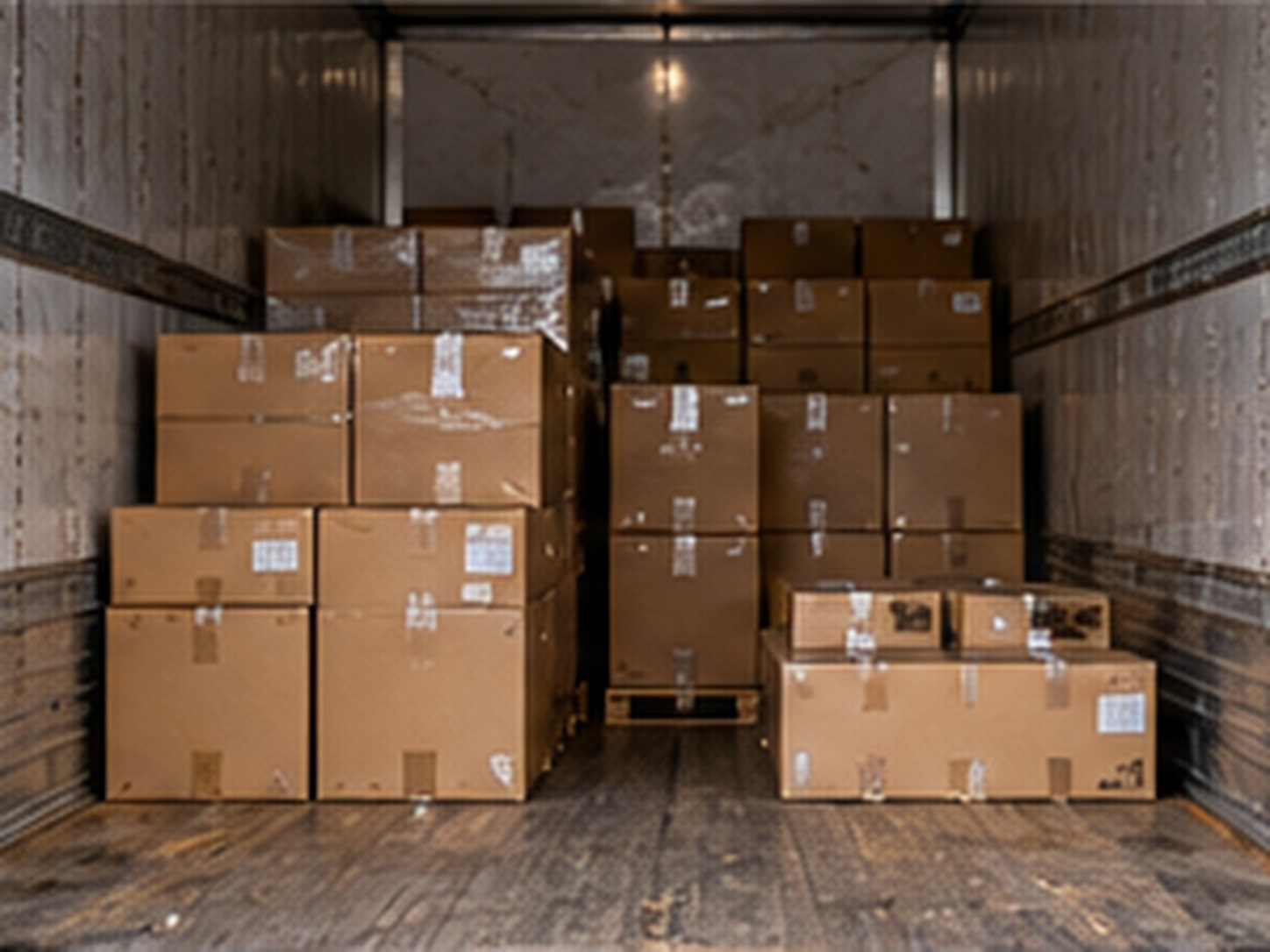
Floor-loaded freight is handled as individual cartons, cases or pieces directly on the trailer floor. It changes labor, loading time, unloading time and receiving requirements.
Do these first
Confirm that both ends are prepared for the extra handling.
- Tell the broker it is floor-loaded — do not describe it as ordinary palletized freight.
- Confirm labor — someone has to load and unload the individual pieces.
- Confirm receiver acceptance — not every facility wants loose case freight.
Why shippers use floor loading
Floor loading can make sense when:
- Product is already in strong cases
- Pallets would waste usable cube
- A distribution program is built around case handling
- The receiver expects loose product
It is an operational choice, not automatically a cheaper choice.
Why it takes longer
Palletized freight can move many cartons at once.
Floor-loaded freight may require:
- Individual handling
- Sorting
- Counting
- Restacking
- Palletizing at destination
- More labor near the trailer
That can lengthen the dock process.
Unloading implications
Know who is unloading.
Some facilities use their own labor. Others may require third-party unloading.
Use lumper fees when a lumper is part of the receiving operation.
Damage and load stability
Loose cartons need a loading pattern that keeps them from collapsing, shifting or crushing each other.
The carrier's securement obligation does not replace adequate product packaging.
When palletizing may be better
Palletizing may be the better choice when:
- The receiver expects forklifts
- Count control matters
- Product is fragile
- Rehandling needs to be reduced
- The freight will move through an LTL network
What to have ready
- Case or piece count — Needed for handling planning.
- Total weight — Do not rely only on carton count.
- Loading labor — Who physically loads the trailer.
- Unloading labor — Who unloads and whether a lumper is expected.
- Receiver instructions — Floor-loaded freight can change receiving time.
Do not assume
- Floor loading is automatically cheaper.
- A standard driver will hand-unload the trailer.
- The receiver can process loose freight as quickly as pallets.
Tell us if the freight is floor-loaded
Send the piece count, total weight and loading/unloading plan so the carrier knows what the dock work actually involves.
Request a Freight Quote