

OS&D dock check
- Compare the physical piece or pallet count with the paperwork
- Identify any extra freight
- Identify any missing freight
- Inspect visible condition before the driver leaves
- Photograph damage before moving or unwrapping it when possible
- Photograph labels on affected freight
- Record exactly which pieces or pallets are affected
- Note the shortage, overage or visible damage on the delivery receipt before signing
- Keep a copy or photo of the signed receipt
- Keep relevant labels, photos and paperwork together
- Contact the broker or responsible shipment contact promptly
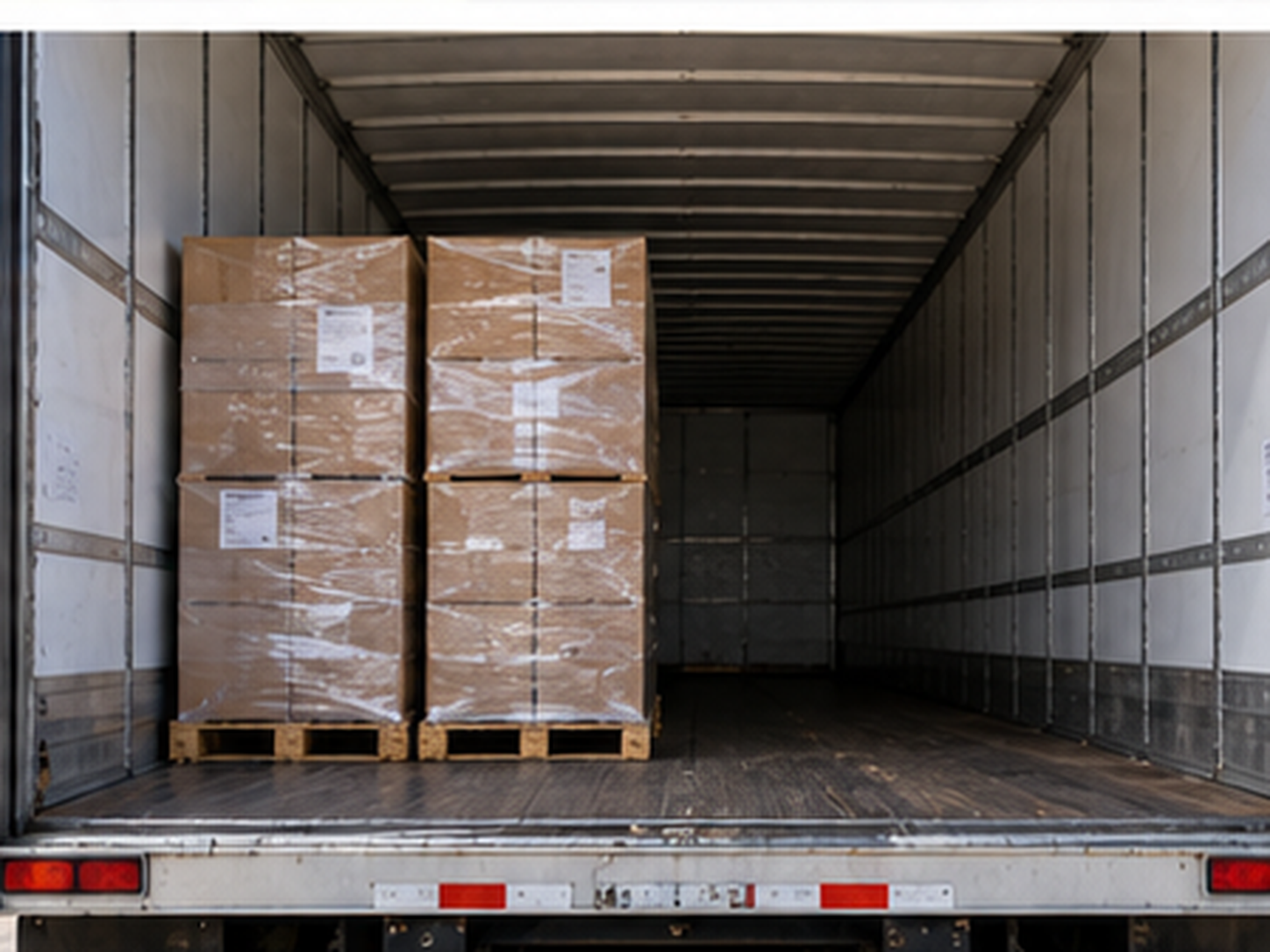
What OS&D means
Over: More freight arrived than the paperwork says should be there.
Short: Less freight arrived than the paperwork says should be there.
Damaged: Freight or packaging arrived with visible damage.
A shipment can have more than one condition at the same time.
Count before you sign
Do not assume the paperwork count is correct because the driver handed it to you.
Compare the physical handling units with the documents.
If the BOL says 10 pallets and you can only account for 9, note the shortage.
If there are 11, identify the extra freight before it is accepted into inventory.
Inspect visible condition
Look for:
- Crushed cartons
- Torn wrap
- Broken pallet boards
- Leaning or shifted freight
- Punctures
- Water staining
- Exposed product
- Broken crates
- Missing bands or securement
For the photo sequence, use cargo damage photos.
Write the condition on the receipt before signing
A clean signature can make later discussions harder because the paperwork may appear to show the freight was received without visible exception.
If a shortage or visible damage exists, describe what you actually observed.
Useful notation is specific.
Examples:
- `1 pallet short`
- `2 cartons crushed on pallet 4`
- `Stretch wrap torn; product exposed on right side`
- `Bottom cartons visibly water stained`
Avoid vague language when you can state what is visible.
Describe, do not guess
Write what you can see and count. Do not invent a cause or assign fault on the dock receipt.
Keep a copy
Before the driver leaves, keep a readable copy or clear photo of the completed delivery paperwork.
Make sure the condition notation is visible.
If the count cannot be completed immediately
If operationally possible, do not sign as though a full count was completed when it was not.
Follow your company's receiving procedure and contact the broker or shipment contact for direction.
What not to use this page for
This checklist does not establish:
- Claim filing deadlines
- Liability limits
- Legal responsibility
- Recoverable amounts
Those can vary by carrier, contract, commodity and facts of the shipment.
Use this page to document what happened. Contact the broker for the next step.
Have an OS&D issue at the dock?
Count it, photograph it, note it accurately on the receipt before signing, and send the documentation to your broker.
Request a Freight Quote