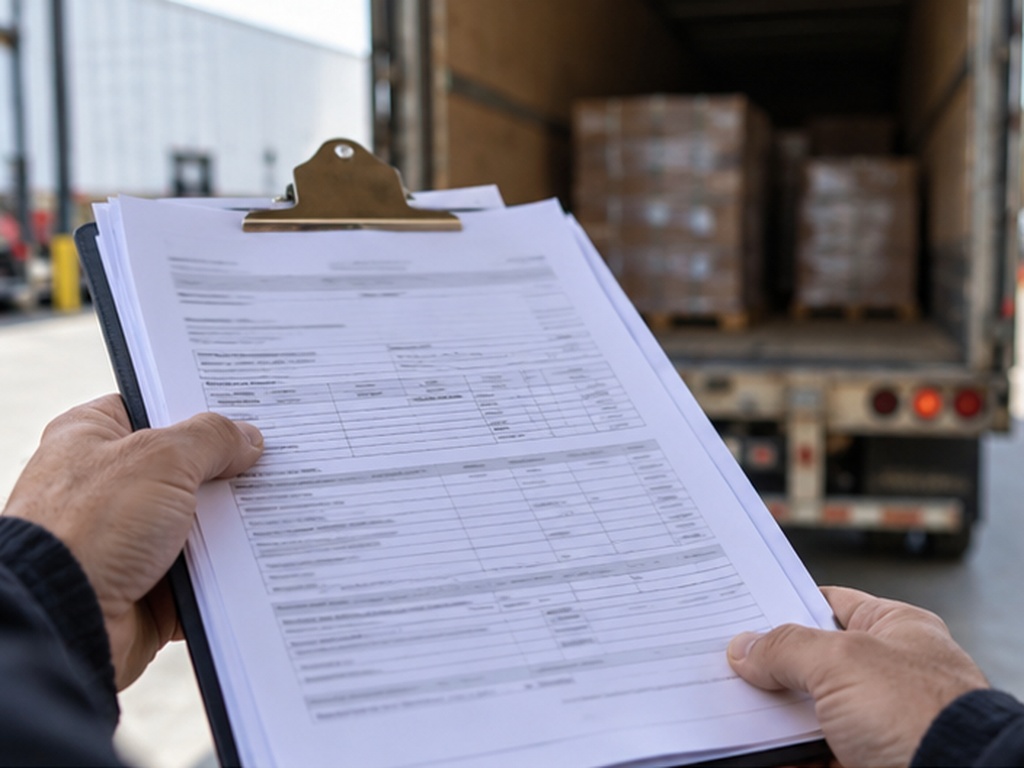
BOL check before release
- Shipper name and pickup address are correct
- Consignee name and delivery address are correct
- Billing or third-party information is correct when required
- PO, order or reference numbers are present
- Number of pallets, pieces or handling units matches the freight
- Commodity description matches what is shipping
- Weight matches the best available actual shipment weight
- Dimensions or cube information are correct when required
- Freight-class or NMFC information is correct when applicable
- Special handling instructions are included
- Temperature instructions are included for temperature-controlled freight
- Appointment or delivery-reference information is included where required
- Any seal number or trailer reference required by the shipment is recorded
- The final document is readable
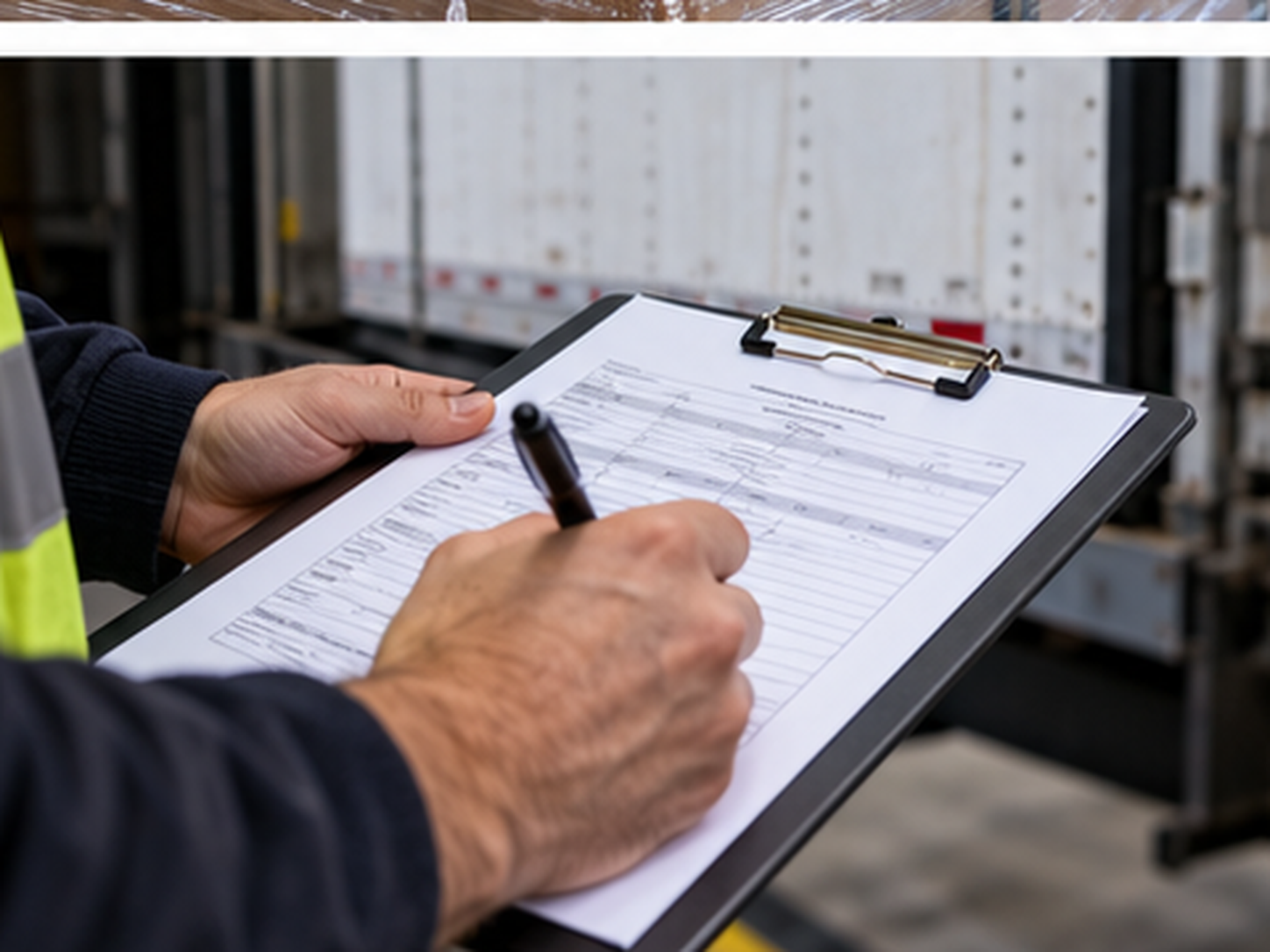
Match the BOL to the freight
The paperwork should describe what the driver is actually taking.
If the BOL says 8 pallets and 10 are staged, correct the discrepancy before release.
If the dimensions or weight changed after the quote, update the shipment information before the truck leaves.
Addresses matter
Verify:
- Street address
- City
- State
- ZIP code
- Facility name
- Any building or dock information required
A wrong delivery location can create reconsignment, redelivery or appointment problems.
See accessorial charges for common service-related charges.
Piece and pallet count
Make sure the BOL count is clear.
Do not confuse:
- Carton count
- Pallet count
- Handling-unit count
- Individual piece count
Use the count the carrier and receiver need to identify the shipment correctly.
Weight
Use the best available actual shipping weight.
Incorrect weight can affect:
- Rating
- Equipment planning
- LTL billing
- Load planning
- Disputes
Commodity description
Describe the freight accurately enough that the carrier and receiver can identify what is moving.
For LTL shipments, classification and rating can depend on more than a casual product name.
Use the freight density tool for density planning, but do not assume density alone determines the final classification.
Special requirements
Include shipment-specific instructions where required, such as:
- Temperature requirements
- Delivery appointments
- Special references
- Handling instructions
- Multiple-stop information
For reefer loading, see reefer airflow and loading.
Why small errors matter
One wrong field can affect more than paperwork.
Examples:
- Wrong ZIP can change lane or delivery planning.
- Wrong weight can change rating.
- Wrong count can create a shortage dispute.
- Wrong commodity information can create classification or handling problems.
- Missing references can delay receiving.
Final BOL check
Compare it against the staged freight
The last BOL review should happen with the actual shipment available, not from an old quote or order screen that may no longer match.
Use before the truck arrives for the broader pickup-readiness checklist.
Need a quote built from accurate shipment information?
Send the final origin, destination, count, dimensions, weight and commodity so the load can be planned from what is actually shipping.
Request a Freight Quote