
Do these first
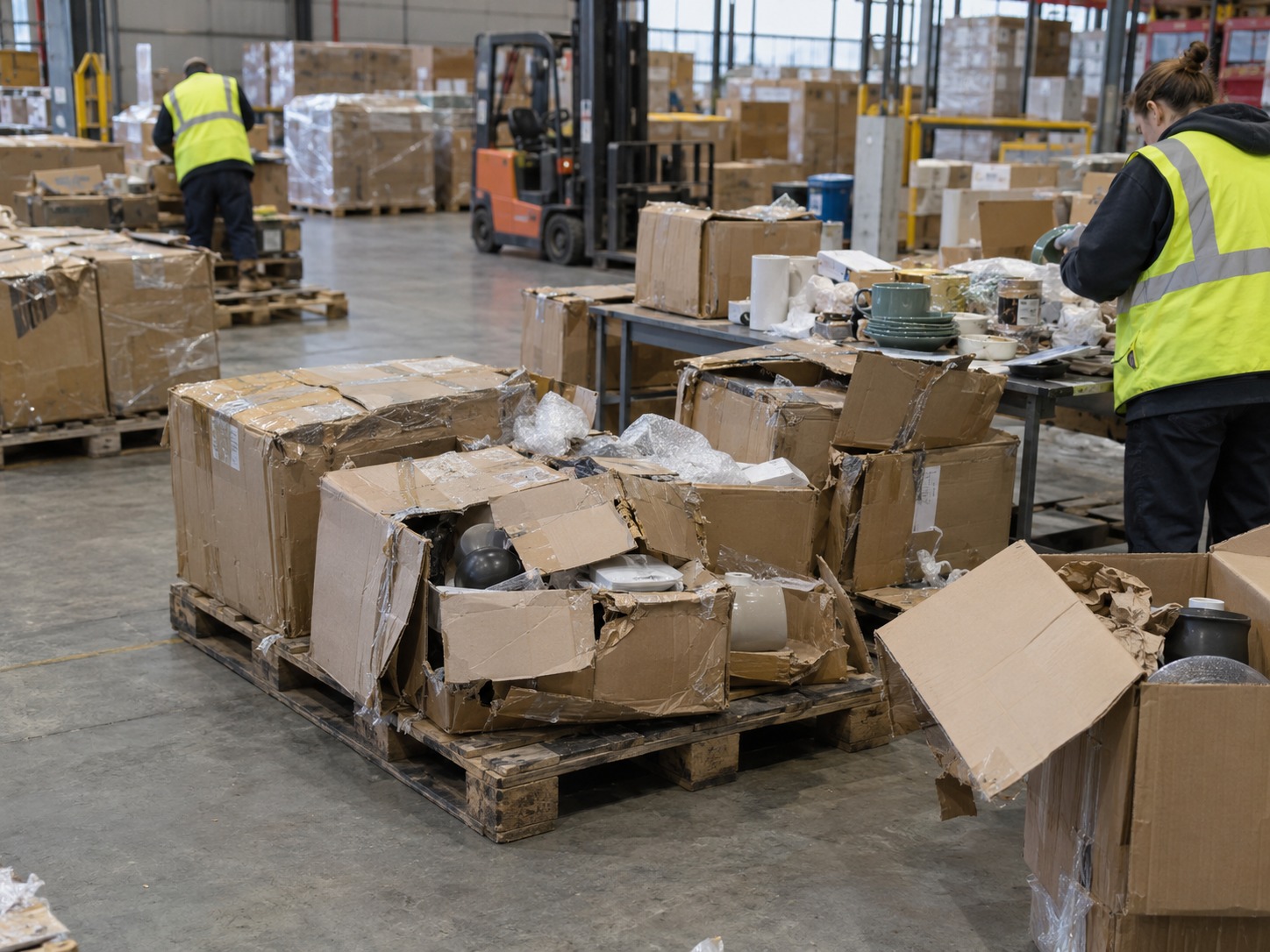
Damaged freight has value until somebody destroys it, and that value belongs to the claim.
- Preserve the goods — where it is practical to do so.
- Keep the packaging and labels — they identify what the salvage relates to.
- Ask whether inspection is required — before anything is moved or sold.
- Ask who is authorizing disposition — do not decide this alone.
- Record any salvage offer or sale — and tie the proceeds to the shipment record.
What salvage means
Salvage is the remaining usable or sale value of damaged property.
Why it affects the claim
If damaged goods are sold or otherwise produce value, that value can become part of the carrier's claim investigation and disposition.
Do not assume you can collect the full claimed value and independently keep or sell the damaged goods without addressing salvage.
Who owns the goods?
Ownership and disposition can depend on the commercial transaction, claim handling and agreements among the parties. Do not assume filing a claim automatically transfers ownership.
Carrier salvage processing
49 CFR 370.11 addresses carrier processing of damaged property that is not delivered or is rejected or refused, including notice when practicable and records of salvage disposition.
Sources
Do not assume
- That filing a claim transfers ownership of the damaged goods.
- That you can claim full value and keep or sell the goods as well.
- That damaged means worthless. Somebody may want to inspect it.
Need to dispose of damaged freight tied to a claim?
Send the claim status, product condition and any carrier instructions before the goods are sold, destroyed or discarded.
Request a Freight Quote