
The short answer
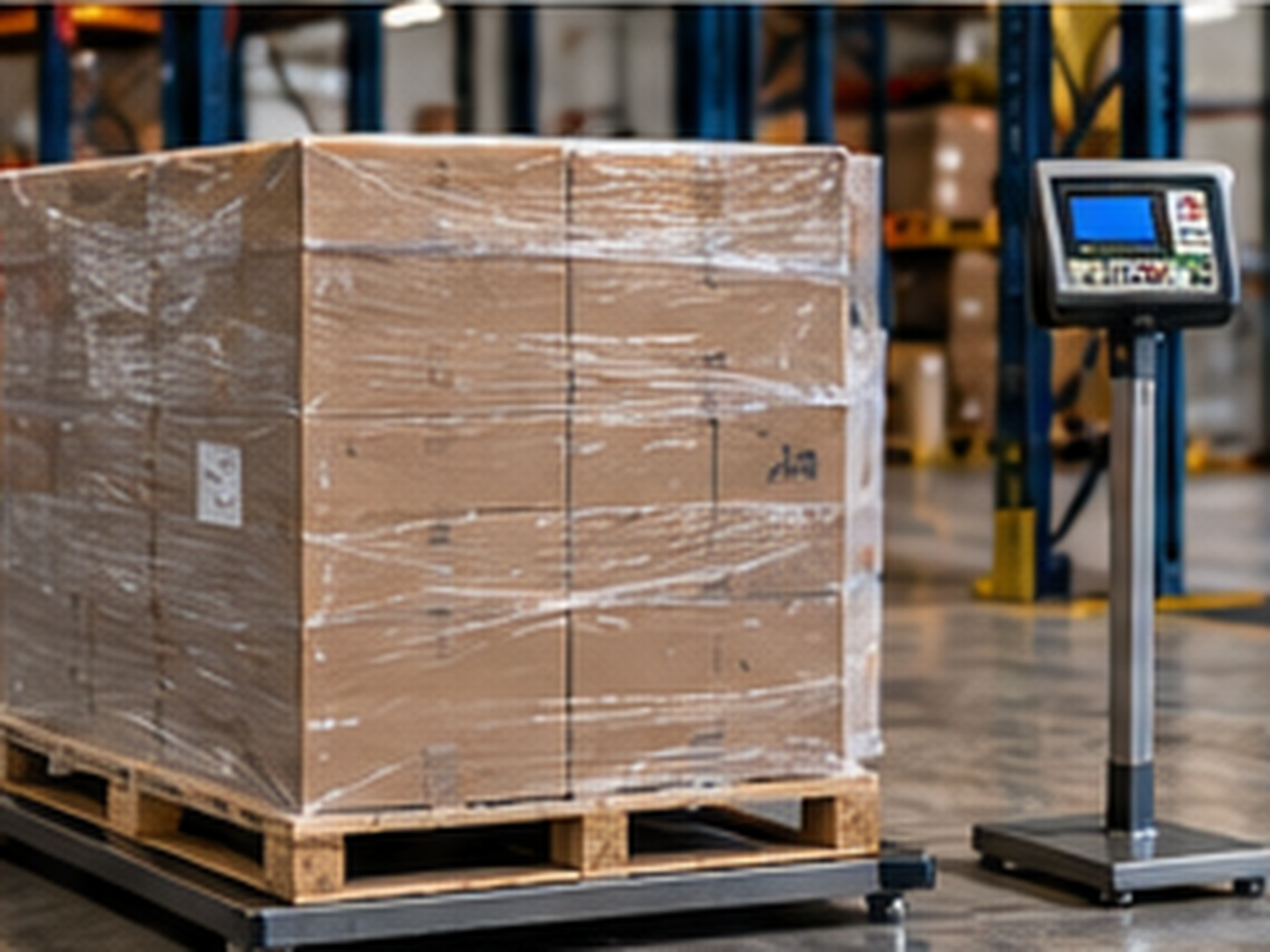
The correct shipping weight is the finished handling unit presented to the carrier. If the pallet, crate or packaging travels with the freight, it belongs in the shipping weight.
Do these first
Use the best actual finished weight you can document.
- Weigh after packaging — product-only weight can understate the shipment.
- Record individual pallet weights when they vary — total weight alone can hide loading problems.
- Keep the source — scale record, forklift-scale record or manufacturer data.
Product weight is not always shipping weight
The finished shipment may include:
- Pallet
- Skid
- Crate
- Protective framing
- Packaging
- Dunnage attached to the handling unit
- Multiple pieces grouped as one unit
If those components travel with the freight, the carrier sees their weight too.
Ways warehouses get the number
Possible sources include:
- Floor scale
- Forklift scale
- Certified warehouse scale
- Manufacturer documented weight
- Summed component weights when no direct scale is available
A direct finished weight is stronger than an estimate when the equipment is available.
When calculated weight is not enough
Calculated or catalog weight can be useful for planning.
It becomes weaker when:
- Packaging has changed
- The product was modified
- The crate is custom
- Multiple accessories are attached
- The shipment contains mixed pieces
- The manufacturer value excludes transport packaging
Individual pallet weight matters
Two pallets can have the same footprint and very different weights.
Individual weights help with:
- Trailer placement
- Liftgate planning
- Flatbed loading
- Axle distribution
- LTL dispute review
For dense commodities such as steel or beverages, this can matter more than pallet count.
Why carriers reweigh
LTL carriers can verify shipment weight after pickup.
When the verified weight differs from the tendered weight, the billing record can change under the carrier's tariff and pricing agreement.
Use freight inspection and freight reclass for the carrier-side process.
What to have ready
- Finished total weight — The whole shipment.
- Individual handling-unit weights — When pallets differ materially.
- Weight source — Scale, forklift scale or manufacturer record.
- Packaging note — Useful when crate or skid weight is significant.
Do not assume
- Product net weight equals shipping weight.
- A carrier will accept an estimated weight when the physical shipment verifies differently.
- One total weight tells the warehouse where heavy pallets should be placed.
Sources
Send the finished shipping weight
Give us the actual pallet or piece weights when available so equipment and loading can be planned before the truck arrives.
Request a Freight Quote